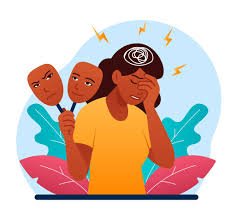
Understanding Trauma Bonding
Trauma bonding is a complex psychological phenomenon that typically arises in abusive relationships characterized by cycles of abuse followed by reconciliation. This form of bonding leads to strong emotional ties between the victim and their abuser, often resulting in an attachment that contradicts the negative experiences endured. Unlike healthy attachment, which is founded on trust, safety, and positive reinforcement, trauma bonding is rooted in an imbalance of power, profound emotional manipulation, and consistent emotional or physical abuse.
The psychological basis of trauma bonding lies in the human brain’s response to stress and violence. When individuals experience trauma, their brains release a combination of stress hormones and neurotransmitters, which can create a sense of dependency on the abuser. This dependency often leads to feelings of confusion, making it difficult to discern between love and fear. In many cases, the victim may perceive moments of kindness or affection from their captor as signs of love, overshadowing the reality of their abusive behavior.
Conditions that foster trauma bonds are frequently found in relationships marked by manipulation and coercion. The dynamic often includes tactics such as gaslighting, where the abuser denies the victim’s reality, and isolation, cutting them off from friends and support systems. Psychological studies have shown that victims may rationalize the abuser’s behavior, believing that if they behave well, the abuse will cease. Notably, case studies reveal that victims may experience heightened emotions during reconciliatory moments, reinforcing their attachment to the abuser.
In conclusion, trauma bonding presents a unique challenge and requires a nuanced understanding of the emotional and psychological ties formed between captors and their victims. Recognizing these signs is crucial for facilitating healing and breaking free from the harmful cycle of abuse.
The Psychological Mechanisms Behind Trauma Bonds
Trauma bonding occurs when individuals form strong emotional connections with their captors or abusers, often leading to an unhealthy and destructive relationship dynamic. This phenomenon can be explained through several psychological mechanisms, including fear, dependency, and intermittent reinforcement. Each of these factors interacts to create a bond that can feel compelling yet is ultimately rooted in trauma and manipulation.
Fear is a significant component in the formation of trauma bonds. Captors may instill fear through psychological intimidation, threats, or even physical harm. This fear creates an environment in which the victim feels increasingly reliant on the perpetrator for safety and survival. As a result, victims may become emotionally attached to their captors, associating their presence with feelings of security, despite the ongoing abuse.
Dependency further complicates this dynamic. Victims often find themselves in a position where their autonomy is severely limited, making them reliant on their captors for basic needs. This dependency perpetuates the trauma bond, as the victim may believe that their captor is the only source of emotional or physical support. Consequently, they may rationalize or legitimize the abuser’s actions in an attempt to maintain the relationship.
Intermittent reinforcement, a concept rooted in behavioral psychology, plays a crucial role in reinforcing trauma bonds. Captors may alternate between periods of cruelty and moments of kindness, such as affection or praise. This unpredictable pattern creates confusion and hope, leading victims to cling to the fleeting moments of warmth while disregarding the larger context of abuse. As a result, individuals may develop a false sense of security and emotional fulfillment within a toxic relationship, reinforcing their attachment to the abuser.
The term ‘Stockholm Syndrome’ further illustrates these psychological dynamics, where hostages emotionally bond with their captors, often in an effort to cope with their dire circumstances. Overall, these mechanisms underscore the complex nature of trauma bonding, making it difficult for victims to recognize the detrimental effects of their relationships.
Effects of Trauma Bonding on Victims
Trauma bonding profoundly impacts the emotional and psychological landscape of individuals who find themselves entangled in relationships characterized by manipulation and abuse. Victims often experience a complex mix of feelings, such as guilt, confusion, and emotional dysregulation, which complicates their ability to process their experiences. The bond created between a victim and their captor is paradoxical; it is rooted in both fear and dependency, leading to a form of attachment that is difficult to break. This attachment can incite feelings of loyalty toward the captor, despite the abuse endured, fostering a sense of internal conflict.
One of the most pervasive effects of trauma bonding is self-blame, where victims often attribute their circumstances to personal failures rather than recognizing the manipulative and abusive dynamics of their captors. This internalized blame can exacerbate psychological turmoil, leaving individuals trapped in a cycle of self-punishment and despair. Moreover, this pervasive confusion can lead to significant emotional dysregulation, characterized by intense mood swings, paranoia, and feelings of worthlessness.
The long-term consequences of these trauma bonds can severely affect mental health. Victims often report heightened levels of anxiety and depression, severely impairing their quality of life. Personal stories reveal that individuals may continue to experience these effects long after the abusive relationship has ended. Their journeys highlight the difficulty of reconstructing a sense of self and trust in others, often resulting in ongoing struggles with intimacy and connection. The scars of trauma bonding can infiltrate all aspects of life, leading to complications in future relationships and personal development.
Breaking Free and Healing from Trauma Bonds
Overcoming trauma bonds requires a concerted effort and a deep understanding of the elements that contribute to such unhealthy connections. A crucial first step is recognizing the signs of a toxic relationship, which often manifest as manipulation, emotional abuse, and a consistent cycle of highs and lows. Individuals may find themselves feeling trapped, isolated from loved ones, or emotionally reliant on their captor. Acknowledging these patterns is essential for initiating the healing process.
Seeking professional help is another vital component in breaking free from trauma bonds. Mental health professionals can provide individuals with the necessary tools and coping mechanisms to address feelings of confusion, guilt, or fear associated with their relationship. Therapeutic practices such as cognitive-behavioral therapy can assist in reframing negative thought patterns, while trauma-informed therapy can create a safe space to process emotional pain. For those seeking assistance, numerous counseling resources and support groups are available to offer guidance and encouragement.
Building a robust support system is equally important in the recovery journey. Friends, family members, or support groups can offer validation, understanding, and a sense of belonging, which may have been absent during the trauma bond. It is vital to surround oneself with individuals who foster positive interactions and challenge harmful beliefs about oneself that may have arisen during the relationship.
Fostering healthy relationships is a proactive way to replace toxic connections with supportive ones. Engaging in open communication, setting boundaries, and practicing self-advocacy can drift individuals toward healthier dynamics. Emphasizing self-care and self-empowerment during recovery not only enhances mental well-being but also strengthens resilience. This approach encourages individuals to prioritize their own needs while recognizing their worth, forming a foundation for building more fulfilling relationships in the future.